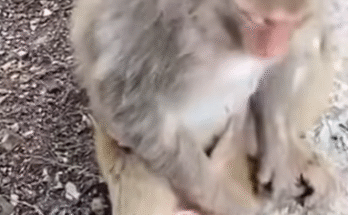
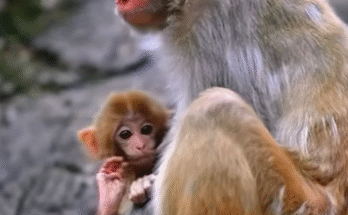
Life in the wild is filled with beauty, but it is also shaped by difficult and sometimes heartbreaking realities. Among monkey troops, moments of conflict, competition, or stress can sadly lead to situations where babies are put at risk. These events are not acts of cruelty but responses driven by instinct, hierarchy, and survival pressures that shape the daily lives of wild animals.
In many monkey species, troop dynamics are constantly shifting. Adult males compete for dominance, and when a new male takes control, he may reject or threaten infants that are not his own. This behavior, known to wildlife researchers, stems from natural instincts rather than intentional harm. Still, witnessing such moments is emotionally devastating—especially when a mother desperately tries to protect her young.
A mother monkey’s bond with her baby is incredibly strong. She carries her infant everywhere, shields it from danger, and reacts instantly to the slightest cry. When danger strikes—from aggressive troop members, territorial battles, or unexpected conflicts—her fear and desperation become painfully clear. She may cling to her baby, try to hide, or fight back, even when the odds are against her.
These scenes remind us how fragile life is in the wild. Every day is a struggle for safety, food, and stability. Researchers and wildlife observers often feel the heartbreak deeply, but they also learn valuable lessons about animal behavior, social structure, and the powerful emotions that primates share with us.
Though nature can be harsh, these moments highlight the strength, vulnerability, and incredible resilience of mother monkeys—and why protecting wildlife is so important.